
External Door Building Regulations: What to Check
Replacing an external door is more than choosing a standard width. Depending on where you live and what you change, insulation, safety glazing, ventilation, accessibility and fire-safety requirements can affect the doorset.
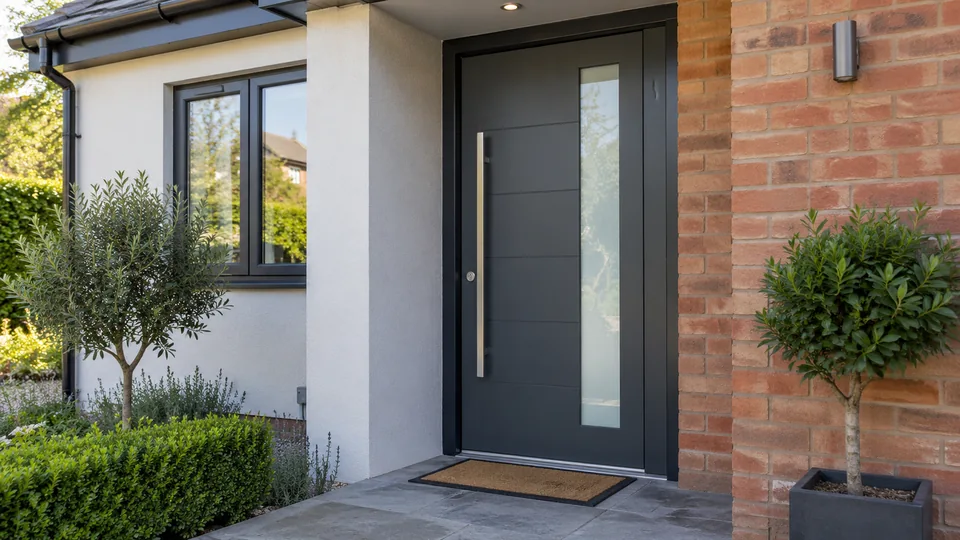
Replacement doors and new openings are different jobs
Swapping an old external doorset within an existing opening may fall under a different assessment from widening a wall or creating a new entrance. Structural changes can introduce lintel and building-control questions. In England, competent-person schemes can self-certify certain replacement windows and doors; other routes may require notification to building control.
Regulations differ across England, Wales, Scotland and Northern Ireland. Do not assume advice for one nation applies automatically to another. Ask the contractor which rules apply to your address and how compliance will be documented.
Energy efficiency and ventilation
The thermal performance of replacement doors can be assessed through a whole-door value or an appropriate recognised rating. A good glass specification does not tell the full story if the panels, frame and threshold allow heat loss. Look at the product as a fitted assembly.
Ventilation requirements can also matter when an external door contains glazing or forms part of the wider room ventilation strategy. Replacing old leaky fittings with airtight products should not create an unaddressed condensation or air-quality problem.
Safety glazing and practical access
Glass in doors and near door openings is subject to safety-glazing requirements in critical impact locations. Ask whether toughened or laminated safety glass is specified and how it is identified. Threshold height, safe entry, rainwater management and clear opening width can be important, especially where accessibility needs arise.
For a new opening, the installer should assess whether changes affect escape routes, structure or other safety requirements. A single online minimum dimension cannot replace a property-specific compliance assessment.
What paperwork and quote detail to request
Ask for the doorset make and model, performance declaration, glazing type, width and height of the fitted frame, lock specification, threshold detail and the route for building-regulation certification. Confirm who handles making good, disposal, VAT and any structural or finishing work.
Our external door sizes guide explains measurements. The price calculator estimates supported complete replacements, but it cannot issue compliance certificates or price structural alterations.
One more thing worth checking
Keep the final supplier drawing, product documentation and compliance evidence together with the invoice. Those details are useful for future repairs, warranties and property sales. If an installer says certification is unnecessary, ask for a written explanation of which route applies and why.
Before accepting a quote, ask who is responsible for compliance and what certificate or building-control evidence you will receive for the work.
Questions homeowners ask
Do all replacement external doors require planning permission?
Not necessarily. Planning and building regulations are different; property status and the nature of the work matter.
Are the regulations the same across the UK?
No. Requirements and approved guidance differ by nation and sometimes by the type of building.
Will a FENSA certificate cover any new doorway?
No. Scheme scope varies and new structural openings may require a separate building-control route.
Related guides
Further reading
External guidance for the technical issues covered in this article. Always confirm the product and requirements for your home.
Know what your quote should cost
Compare an independent estimate before you book installers. Choose the windows and doors that suit your home, then check the expected fitted price range.
Use our Quote Calculator →