
Aluminium Flush Casement Windows: Look, Costs and Limits
Aluminium flush casement windows give a clean-lined appearance, but the word “flush” describes the sash profile—not a guarantee of performance or a single price.
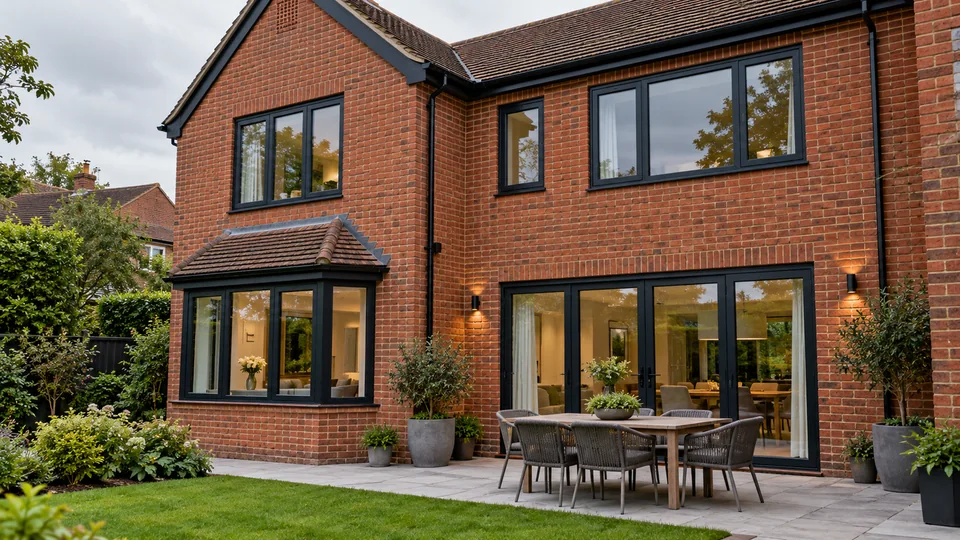
What makes an aluminium casement flush?
A flush casement has an opening sash designed to sit level or nearly level with the outer frame when shut, rather than projecting outward like some traditional casement systems. In aluminium, designers often combine a slim frame profile with large areas of glass and dark powder-coated finishes.
Not every product advertised as flush has the same visible reveal, gasket arrangement or sightline. Ask for an actual section drawing and an installed example. The frame can look very different from the outside depending on the hinge, drainage cover and whether opening or fixed panes are mixed.
The details that influence price
Frame system, size, number of opening sashes, colour, glazing specification, hardware and the accessibility of the installation all matter. A fixed picture pane is not directly comparable with a multi-opening window of the same dimensions. Bespoke corners and unusual colours can affect ordering and fitting.
For an early budget, use the site’s aluminium window prices guide and flush casement prices guide as context, then request exact supplier quotes. Do not assume the calculator includes every manufacturer’s flush aluminium system or its premium.
The site’s existing aluminium price guide gives roughly £1,072 fitted for a standard-colour double-glazed aluminium example. That is an illustration of a general aluminium window, not a priced aluminium flush system; expect the actual profile, dimensions and openings to change the quote.
Thermal performance needs more than a slim frame
Aluminium conducts heat, so modern insulated window systems typically use thermal breaks and appropriate glazing. Compare the whole-window U-value or recognised energy rating, not only the glass-unit specification. Ask how gaskets, drainage and trickle ventilation are handled in the chosen system.
Slimmer sightlines may also change the maximum opening size, hinge choices or weight limits. A good supplier should give a product-specific performance declaration rather than promising that all aluminium frames are automatically warmer or stronger than every uPVC option.
How to judge the finish at home
On a red-brick building, dark aluminium can create a striking contrast; on a period property it may look too contemporary. Check sightlines against adjacent windows and consider whether an opening sash must line up with an existing brick reveal. Confirm the colour on the inside as well as outside.
Ask for itemised quotes including removal, making good, VAT and guarantees. A photo of your current window, approximate dimensions and desired finish will help suppliers suggest a comparable profile and avoid quoting entirely different products.
One more thing worth checking
A useful showroom test is to inspect an opening sash in both the closed and fully open positions. Look at the hinge clearance, gasket, drainage detail and the width of the handle side. Those are details photographs rarely show, and they can matter every day in a small kitchen or bedroom.
Choose an aluminium flush system from a sample or technical drawing, then compare complete installed quotations with the same performance and opening layout.
Questions homeowners ask
Do all aluminium flush windows have the same look?
No. Profiles, visible frames and drainage details vary by manufacturer.
Are aluminium flush windows automatically more energy efficient?
No. Check thermal breaks and the whole-window performance figures for the actual product.
Can the calculator price my exact brand?
It provides general installed estimates, not brand-specific flush-system pricing.
Related guides
Know what your quote should cost
Compare an independent estimate before you book installers. Choose the windows and doors that suit your home, then check the expected fitted price range.
Use our Quote Calculator →