
Timber Flush Casement Windows: Style, Cost and Upkeep
Timber flush casements can suit older British homes where the profile and painted finish matter. Their price depends on the timber, glazing and detail—not simply whether the window looks traditional.
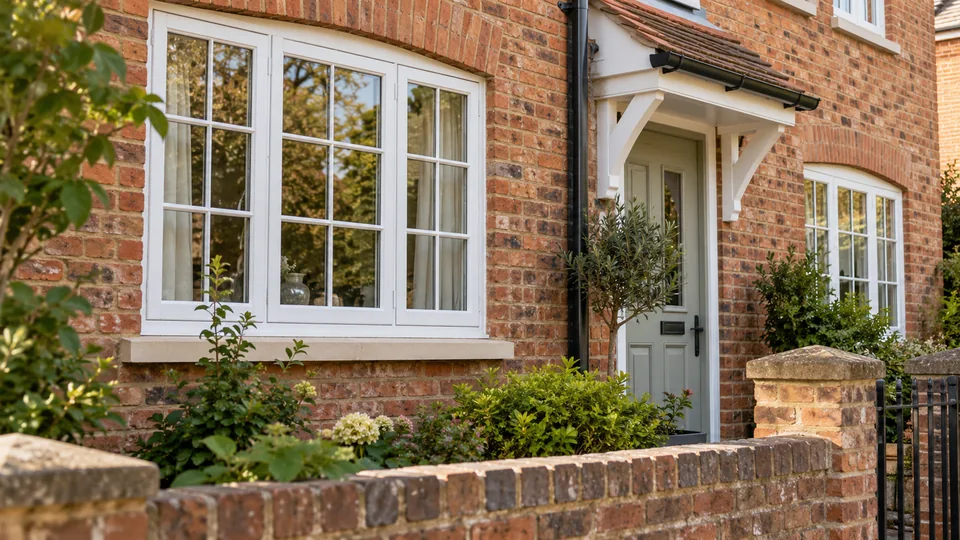
Where timber flush casements work well
A timber flush casement has an opening sash that sits closely within the surrounding frame. The appearance can be restrained and appropriate for cottages, Victorian alterations and conservation-sensitive streets. But some traditional homes use storm-proof casements or sash windows instead, so match the original building rather than choosing “heritage” as a generic label.
Check whether the existing frames are historically significant. Listed buildings and some protected areas can restrict replacements, including seemingly minor changes to glazing bars or sections. A surveyor or local planning team can advise on the relevant consent before anything is ordered.
What you are paying for
Timber species, joinery, factory-applied coating, glazing detail, trickle-vent approach and hardware all influence the installed cost. A small fixed timber window can be a different proposition from a large opening pair with traditional hinges and a bespoke painted finish.
Compare quotes that identify the timber and coating system, not just “hardwood” or “painted white”. Ask how rotten surrounding sills and reveals are treated. Our wooden window costs guide is a useful starting point; brand and conservation details need a tailored supplier quotation.
Our timber window guide gives around £925 fitted for a 600 × 900 mm timber casement and about £1,200 for a 1200 × 1200 mm casement. Those are general timber casement illustrations, not guaranteed prices for bespoke flush joinery.
Maintenance should be part of the decision
Timber needs a sound protective finish. Regular checks around bottom rails, joints, glazing beads and exposed sills can prevent small coating failures from turning into wet timber. Modern factory finishes may extend maintenance intervals, but there is no universal repainting schedule for every exposure and product.
Avoid assuming timber is unsuitable because it needs maintenance. Equally, do not choose it solely for appearance without budgeting time for periodic inspection and the possibility of repainting. Product warranties may depend on specified upkeep.
Compare equivalent specifications
Ask timber suppliers for the same approximate window dimensions, number of opening sashes, glazing performance, colour, hardware and fitting scope. Confirm whether finishing, making-good, disposal and VAT are included, especially on older buildings with uneven openings.
The calculator provides a general fitted-price guide for supported full window replacements. It is not a conservation joinery quotation and cannot assess whether an existing sash or casement should be repaired instead.
One more thing worth checking
For older properties, photograph any original frame mouldings, glazing-bar widths and sill projections. Share these with the joinery supplier before discussing colour. A new window that looks convincing from a distance may still change the character of a frontage through heavier sections or different opening hardware.
A good timber quote should describe the joinery and the coating, not just the colour and the total price.
Questions homeowners ask
Are timber flush windows the same as timber sash windows?
No. Flush casements are hinged opening windows; sash windows usually slide vertically.
Do timber casements always need planning permission?
No, but listed and protected buildings can have additional requirements. Check the property context.
Can I replace only rotten timber sections?
Often repairs or spliced timber sections are worth investigating, depending on the condition and significance of the window.
Related guides
Further reading
External guidance for the technical issues covered in this article. Always confirm the product and requirements for your home.
Know what your quote should cost
Compare an independent estimate before you book installers. Choose the windows and doors that suit your home, then check the expected fitted price range.
Use our Quote Calculator →