
Replacing Windows in a Conservation Area: UK Guide
Replacing windows in a conservation area can involve extra design checks. The rules depend on the specific property, the changes proposed and any local planning restrictions—not simply the age of the house.
Why local restrictions matter
Conservation areas are designated to protect the character or appearance of a place. Some changes may be permitted without a planning application, while others are controlled more closely, particularly where an Article 4 direction removes permitted development rights. Listed buildings are subject to a separate consent regime. Do not assume that replacing a window with the same size but a different profile or material is automatically acceptable. Ask the local planning authority before spending money on made-to-measure frames.
The visual details that councils may consider
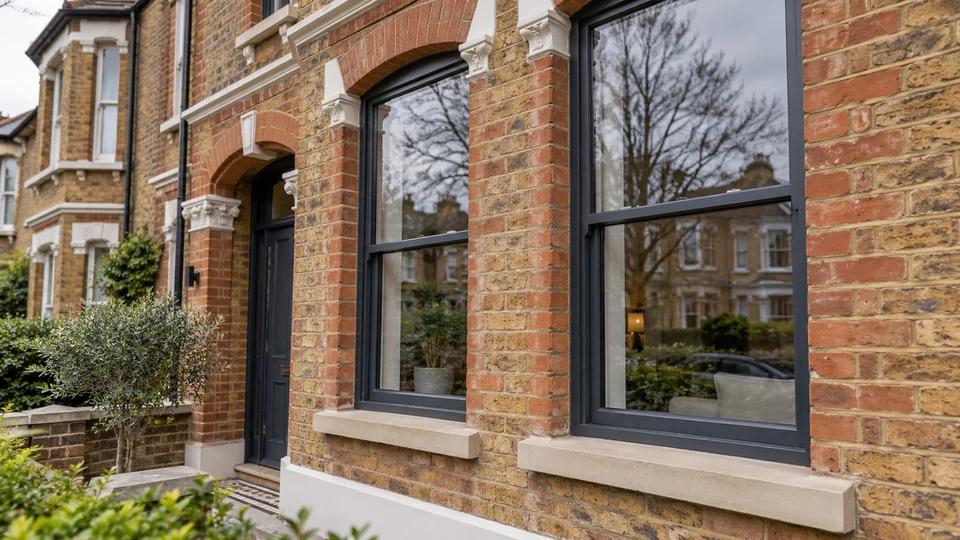
Frame proportions, glazing bar layout, opening direction, cill detail, material, colour and the depth of the window in the reveal can all change the appearance of a facade. A modern thick frame may reduce visible glass compared with an older timber sash, even if both fit the same opening. On a row of matching terraces, the pattern from the street can matter. Bring photographs, elevation drawings and examples of the proposed profile to discussions with the planning team.
Efficiency without losing character
Better glazing is not limited to one approach. Depending on the building, options may include carefully matched replacement windows, repair and draught-proofing, or secondary glazing behind retained original frames. Conservation officers may have preferences or restrictions for the particular property. A product that looks historically accurate can still have modern performance limitations, so ask for both the aesthetic details and the declared energy properties rather than choosing by marketing photographs.
Ask the local planning authority about proposed materials and designs
Comparing quotes for specialist work
A heritage-sensitive quote may include measured drawings, bespoke profiles, specialist glass, restoration or approvals. These are not directly comparable with a basic standard-colour uPVC replacement quote. Ask installers for evidence of relevant work and clarity about who handles any planning application. Our calculator offers a general fitted-price guide but does not certify consent or cover every bespoke heritage detail. Confirm permissions and the full specification before ordering.
A checklist you can actually use
- Check whether the property is listed or subject to local Article 4 restrictions
- Photograph existing elevations and glazing details from the street
- Ask the local planning authority about proposed materials and designs
- Compare timber repair or secondary glazing where appropriate
- Get consent responsibilities and any specialist work included in the quote
Questions homeowners ask
Are uPVC windows banned in every conservation area?
No universal rule applies; local restrictions and the particular building determine what is acceptable.
Does listed status matter separately?
Yes. Listed building consent can apply independently of conservation-area planning rules.
Will a calculator estimate include heritage consent costs?
No. It provides general fitted-price estimates, not bespoke consent or conservation-service fees.
Further guidance
Related guides
Know what your quote should cost
Use an independent fitted-price estimate to plan your window or door budget before inviting installers to quote. Compare the specification on your actual quotations.
Use our Quote Calculator →