
Window U-Values Explained: What Makes Double Glazing Efficient?
A U-value describes how easily heat passes through a building element. For windows, a lower whole-window U-value generally means less heat loss through the fitted product under standard test conditions.
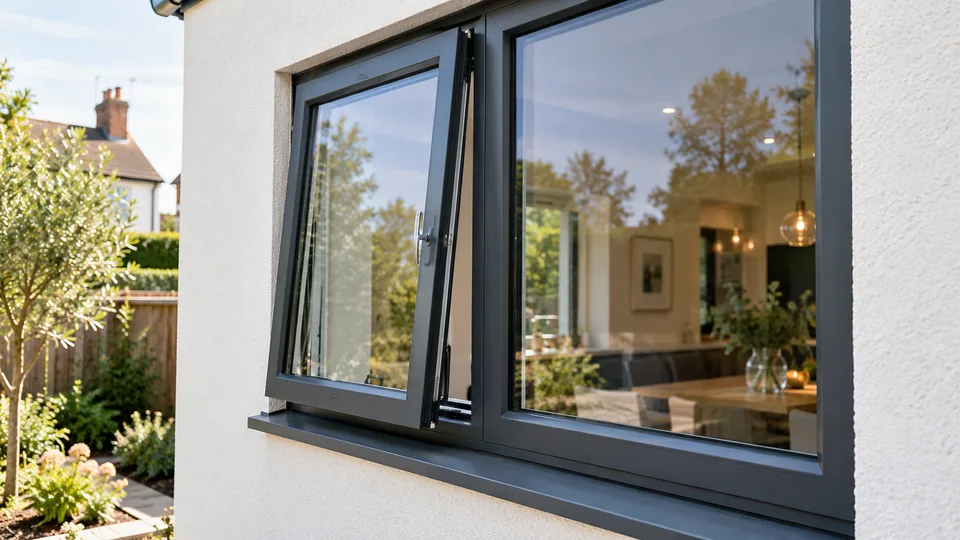
Whole-window U-value versus glass-only values
A quotation might show a figure for the glass unit, often called the centre-pane or glass U-value, and a different figure for the complete window. The whole-window value includes the frame, glazing and their combined performance. It is normally the more useful comparison between window products. Ask for the actual declared whole-window figure rather than comparing a glass-only number from one installer with a whole-window number from another.
Request the declared whole-window U-value for each proposed product
Why two double-glazed windows can perform differently
Glass coatings, gas fill, cavity width, edge spacers and the frame construction can all affect heat transfer. A thermal break in aluminium frames is an insulating section designed to reduce the heat path through the metal. uPVC and timber frames behave differently too, but no material alone guarantees the best complete-window result. Installation quality, air leakage and thermal bridging around the opening also matter once the product is fitted in a house.
Energy ratings tell a related, but different, story
Some window labels include an energy rating rather than presenting only a U-value. These schemes can account for more than heat loss, including useful solar gains and air leakage. A top label grade therefore does not necessarily mean the same thing as the lowest listed U-value. Check the rating method and request comparable product declarations for each quote. If a supplier claims major energy-bill savings, ask what property assumptions support that claim.
Use performance alongside comfort and price
The right choice depends on budget, existing insulation, exposure to road noise, overheating risk and the design of the house. A large south-facing window may need a different balance of solar gain and shading from a small north-facing bedroom window. Compare window sizes, opening styles and glazing specifications on a like-for-like basis before judging the premium for a more efficient product. Our calculator gives general fitted-cost estimates rather than a product-specific heat-loss calculation.
A checklist you can actually use
- Request the declared whole-window U-value for each proposed product
- Avoid comparing a glass-only U-value with a whole-window figure
- Check frame, spacer and gas-fill specifications as well as the glass coating
- Ask what the performance claim assumes about installation quality
- Compare the additional cost against your wider comfort and insulation goals
Questions homeowners ask
Is a lower U-value better?
Generally yes for heat-loss performance, provided the figures describe the same kind of product measurement.
Does triple glazing always beat double glazing?
Not automatically; compare declared whole-window performance and the complete installation.
Can the calculator predict energy-bill savings?
No. It estimates fitted prices, not household energy consumption.
Further guidance
Related guides
Know what your quote should cost
Use an independent fitted-price estimate to plan your window or door budget before inviting installers to quote. Compare the specification on your actual quotations.
Use our Quote Calculator →