
Acoustic Double vs Triple Glazing for Traffic Noise
Three panes are not automatically quieter than two. If your main concern is traffic, voices or aircraft, the glass build-up and window sealing deserve more attention than simply the number of panes.
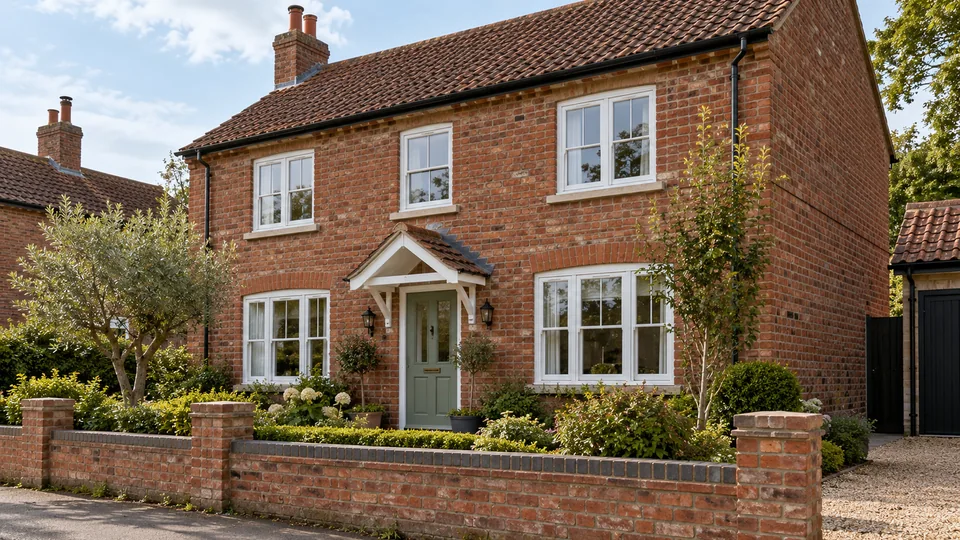
Why more glass layers do not guarantee less noise
Triple glazing often targets heat retention by using three panes and two cavities. That design does not automatically give the best sound reduction for every frequency. Three panes of similar thickness may respond differently from a carefully designed acoustic double-glazed unit with asymmetric glass and an acoustic interlayer.
Pilkington explains that combinations of glass thickness, laminated acoustic glass and cavity design can improve sound performance. Ask suppliers for the acoustic test results of the specific proposed window, not an unsourced claim that triple glazing is always quieter.
Different noises need different solutions
Low-frequency traffic rumble is not identical to higher-pitched voices or railway squeal. A rating based only on a single sound reduction number may hide how the system responds to the noise you actually hear. A meaningful supplier comparison should describe the test measure and relevant frequency weighting.
Before you purchase, stand in the room at a noisy time and note where sound enters: the window, trickle vent, wall penetration or an adjacent door. An expensive glass upgrade will not fix a poorly sealed vent or a large gap around the frame.
What to compare on quotations
Ask for glass make-up, cavity sizes, whether an acoustic laminate is used, whole-window acoustic rating, thermal performance, ventilation approach, warranty and fitted price with VAT. The frame stiffness, gaskets and quality of installation also matter. Compare systems on the same opening size.
A full replacement can include better seals and fresh hardware, so improvements may partly come from the new frame—not solely the third pane. It can be useful to have an acoustic specialist examine difficult sites before changing all the windows.
Would secondary glazing be better?
An independent internal pane with a substantial well-sealed air gap can sometimes outperform a standard replacement configuration for certain noise issues. That depends on the room, available reveal depth and whether the original window must remain. Consider this alongside acoustic secondary glazing.
Use the double-versus-triple glazing cost guide to compare overall budgets. Our calculator provides a window replacement estimate, not an acoustic engineering prediction for your home.
One more thing worth checking
If possible, ask suppliers to compare two designs using the same testing standard and relevant noise spectrum. Beware dramatic decibel claims made without naming the frame and unit tested. A laboratory glass value alone does not prove that the finished installation in your particular wall will deliver the same improvement.
For noisy roads, request an acoustic specification and test information before spending more on triple glazing purely for the extra pane.
Questions homeowners ask
Is triple glazing always better for noise?
No. Sound control depends on glass make-up, cavity design, seals and frequency—not pane count alone.
Can acoustic double glazing still be energy efficient?
Yes. Modern acoustic configurations can also be designed with thermal performance in mind.
Can the price calculator predict decibel reductions?
No. It estimates fitted prices, not tested acoustic outcomes for an individual room.
Related guides
Further reading
External guidance for the technical issues covered in this article. Always confirm the product and requirements for your home.
Know what your quote should cost
Compare an independent estimate before you book installers. Choose the windows and doors that suit your home, then check the expected fitted price range.
Use our Quote Calculator →